Commercial Moves in Dulwich
When a business is relocating, expanding, downsizing, or reorganising its workspace, the move needs to be handled with care, coordination, and minimal disruption. Commercial moves in Dulwich are rarely simple because local businesses range from small offices and creative studios to medical practices, retail units, schools, hospitality venues, and professional services. Each one has different equipment, schedules, access needs, and handling requirements. That is why choosing a local team that understands the area can make a major difference to how smoothly the move runs.
Dulwich has a distinctive mix of commercial properties, from shopfronts and offices near busy local routes to converted buildings and shared workspaces tucked along quieter streets. The area also has a strong residential character, which means parking restrictions, narrow access points, timed loading windows, and neighbour considerations often come into play. A well-planned move takes all of this into account from the very beginning. Whether you are moving a small team, an entire workplace, or specific items of equipment, the goal is always the same: keep your business moving with as little interruption as possible.
If you are planning a business relocation, office transfer, or equipment move in the area, it helps to work with a local commercial removals team that can adapt to the realities of Dulwich. From office removals in Dulwich to shop relocations, warehouse contents, furniture moves, and specialist transport, a thoughtful approach saves time and reduces stress. Book early where possible, especially if your move must fit around trading hours, building access times, or staff availability.
Why local businesses choose commercial moving support in Dulwich

Commercial moves require more than a van and a few boxes. They involve coordination, careful handling, and the ability to work around the schedule of a live business. In Dulwich, many customers need a team that can navigate mixed-use streets, manage tight loading areas, and respect the pace of local business life. Choosing a local provider gives you practical advantages right from the planning stage.
A local team is more likely to understand the practical issues that come with moving around Dulwich Village, East Dulwich, West Dulwich, and nearby neighbouring areas. They know that some premises have limited parking, some offices share entrances, and some buildings need extra protection for stairwells, floors, and communal spaces. That local awareness can help avoid delays and reduce the chance of damage or disruption.
For many businesses, the biggest concern is not the distance of the move but the impact on operations. Commercial relocations in Dulwich often need to be completed outside normal business hours, during quieter trading periods, or in stages so that staff can keep working. A flexible removals plan can help you protect customer service, safeguard equipment, and keep the move under control from start to finish.
Types of commercial moves we support

Every business is different, and no two premises are exactly alike. Some moves involve desks and filing cabinets, while others include IT equipment, stock, display units, medical furnishings, or sensitive documents. A good removals service should be adaptable enough to handle many commercial situations without creating unnecessary disruption.
Typical commercial moving work in Dulwich may include:
- Office relocations for small businesses, consultancies, agencies, and professional firms
- Retail moves for shops, boutiques, and customer-facing premises
- Hospitality moves for cafés, restaurants, and front-of-house equipment
- School and education-related moves including classrooms, admin spaces, and furniture transfers
- Medical and clinic moves for practices with sensitive or specialist items
- Light commercial relocations for workshops, studios, and mixed-use spaces
- Archive and document moves where secure handling and careful labelling matter
Whether you are moving one room or several floors, the key is to plan around your equipment and work patterns. Many local businesses appreciate a service that can break a move into stages, label items clearly, and help make unpacking more manageable at the new premises.
What is included in a commercial move

The exact service will depend on the size and nature of your move, but a professional commercial relocation typically covers a range of practical tasks designed to keep things efficient. This is especially important when you are trying to move desks, storage, technology, and office contents without losing track of what goes where.
Common elements of a commercial move in Dulwich can include:
- Initial discussion of your move requirements, timing, and access conditions
- Planning the move around business hours, building rules, and staff availability
- Supplying suitable packing materials where required
- Disassembling and reassembling office furniture if agreed in advance
- Careful wrapping and protection of furniture, IT equipment, and fragile items
- Labelling and organising items to help with setup at the destination
- Loading, transport, and unloading by trained movers
- Positioning items in the correct rooms or areas at the new site
For many businesses, support with dismantling and reassembly is especially useful. Office desks, shelving, reception counters, conference tables, and modular storage units can be awkward to move in one piece. A structured removals service helps reduce risk and can speed up the setup process once you arrive.
Understanding Dulwich access, parking, and property challenges

Dulwich is a highly desirable area with a mix of period properties, converted buildings, modern developments, and purpose-built commercial spaces. While that variety gives the area its character, it can also create logistical challenges during a business move. Access may be tighter than expected, parking may need to be arranged carefully, and some buildings may require additional coordination with management or neighbours.
In many parts of Dulwich, commercial premises are located alongside residential streets or within buildings that were not designed for heavy daily loading. That means a move may need extra thought around vehicle size, timing, lifting routes, and temporary placement of furniture or crates. If you are moving near busy local roads, schools, or retail areas, traffic flow and loading space can also affect the schedule.
Why does this matter? Because a move that looks straightforward on paper can become complicated on the day if the team does not plan for the local environment. A local commercial removals company can often anticipate these issues earlier and suggest practical solutions. That may include splitting the move into smaller loads, choosing quieter times, or planning the order in which items are loaded and unloaded.
For customers in Dulwich Village, West Dulwich, East Dulwich, and surrounding neighbourhoods, this local awareness can be extremely helpful. It means fewer surprises, more realistic timing, and a move that respects the limitations of the site as well as the needs of the business.
How commercial moves are usually organised
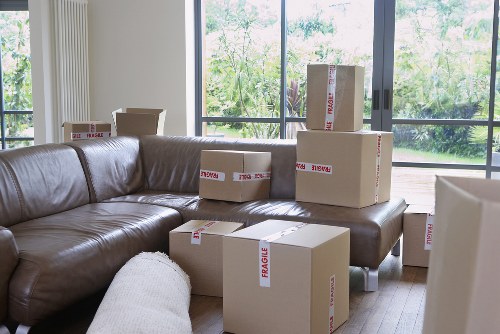
Good moving work starts long before the vehicle arrives. A successful commercial relocation is usually built around careful preparation, clear communication, and a sensible sequence of tasks. The better the planning, the less likely you are to face costly delays, missing items, or confusion when setting up the new workspace.
A typical process for commercial moves in Dulwich may look like this:
- Step 1: Discuss your business needs, premises type, and moving date
- Step 2: Assess access, parking, lift use, stairways, and loading points
- Step 3: Identify items that need special handling, packing, or dismantling
- Step 4: Create a moving plan that suits your trading hours and staff schedule
- Step 5: Prepare packing materials and label items by department, room, or priority
- Step 6: Carry out the move with care and efficient loading procedures
- Step 7: Place items in the correct areas and assist with basic reassembly where arranged
Businesses that plan well often find the move day far less stressful than expected. Simple actions like labelling boxes, separating essential equipment, and nominating one staff member to oversee the process can make a noticeable difference. If your move involves multiple departments or a phased handover, a structured plan becomes even more important.
Benefits of using a commercial removals team for your Dulwich move
Relocating a business is not only about moving objects from one place to another. It is also about protecting continuity, maintaining morale, and making sure your team can get back to work quickly. That is why many local companies prefer to use a removals service that is specifically geared toward commercial work rather than a general moving option.
Some of the main benefits include:
- Reduced downtime through better coordination and efficient loading
- Safer handling for heavy, awkward, fragile, or valuable items
- Less disruption to customers, staff, and neighbouring properties
- More accurate planning for access, timing, and vehicle use
- Better protection for floors, walls, furniture, and equipment
- Support with setup so the new space is easier to use sooner
For some organisations, the move is also a good moment to tidy up storage, remove unwanted items, and re-think layout. A carefully managed relocation can help you start fresh in a more efficient space. That is especially useful if you are moving to a different type of property, such as a larger office, a smaller unit, or a building with a new layout.
Commercial moves in Dulwich often involve a mix of practicality and sensitivity. A business may need to remain open while the move is happening, or it may need to hand over its old premises on a strict schedule. A local team understands that timing can be just as important as transport.
What can be moved
A professional team can usually help with a wide variety of items, depending on the job size and service agreed. Common examples include:
- Office desks, chairs, and storage units
- Conference and meeting room furniture
- Computers, monitors, printers, and peripherals
- Retail stock and display fixtures
- Filing cabinets and archive boxes
- Reception furniture and waiting-area items
- Light specialist equipment
- Kitchen or staff-room furniture
It is always sensible to mention unusual, heavy, or sensitive items early in the process. That allows the movers to prepare the right equipment, allocate the right vehicle space, and plan safe handling from the beginning.
What customers often want to know before booking
Before arranging a move, most business owners want to understand how much will need to be done, how long it is likely to take, and whether the move can be completed with minimal interruption. They may also want to know whether packing help, dismantling, and setup are included or available as add-ons. These are all sensible questions, and they should be discussed early so that the move plan is realistic.
Another common question is whether the move can be phased. The answer is often yes, depending on the layout of the premises and the volume of items. Some businesses prefer to move non-essential items first, then equipment, then final workspace items on a later date or a quieter time. That approach can make the transition more manageable.
Preparing for your commercial move
Preparation is one of the most important parts of any business relocation. A little planning in advance can save a lot of time on moving day. It also makes it easier for staff to find what they need once they arrive at the new location. If you are organising an office move, retail transfer, or commercial relocation in Dulwich, the checklist below can help you stay organised.
Preparation checklist
- Confirm the moving date and access arrangements at both locations
- Notify relevant staff and assign move responsibilities
- Back up digital files and protect important documents
- Sort items into keep, move, store, and dispose categories
- Label boxes clearly by room, department, or priority
- Separate essential items that need to be available immediately
- Measure furniture and doorways where necessary
- Check whether any items need specialist handling
- Plan for parking, lifts, and loading access
- Prepare keys, entry codes, and building contact details if needed
Tip: If your business uses a lot of shared storage or hybrid working, it can help to prepare a simple floor plan for the new site. Even a basic layout can make unloading and setup much smoother.
For businesses in period buildings or converted properties, extra care may be needed when moving items through staircases, narrow corridors, and shared entrances. If your premises are in a busy part of Dulwich, it may also be worth considering how the move will affect visitors, deliveries, and neighbours on the day.
Pricing factors for commercial moves
Commercial move costs can vary because no two jobs are the same. Rather than focusing on fixed numbers, it is more useful to understand the factors that typically affect the final quote. That way, you can compare services fairly and choose the right level of support for your business.
Common pricing factors include:
- Volume of items to be moved
- Distance between the old and new premises
- Access difficulty such as stairs, narrow entrances, or limited parking
- Timing including weekend, evening, or out-of-hours work
- Complexity of dismantling, packing, or reassembly
- Special handling for fragile, heavy, or sensitive items
- Number of movers needed to complete the job efficiently
- Vehicle type required for the move
Some businesses also need help with temporary storage, multiple drop-offs, or phased moves. These elements can affect the planning and therefore the cost. A clear discussion in advance helps avoid confusion and makes it easier to decide which services are essential and which are optional.
If you are arranging business removals in Dulwich, a detailed quote should reflect your actual requirements, not just a rough guess. Providing accurate information about item quantities, floor levels, parking conditions, and any unusual equipment helps the removals team give you a more useful estimate.
Why local experience matters in Dulwich
Dulwich is not just another postcode. It is an area with a specific rhythm, a strong community feel, and a varied business landscape. That local character affects how commercial moves should be planned and delivered. A team with practical experience in the area is better placed to anticipate the day-to-day challenges that come with local access and building types.
Working with a local company can be especially useful if your business is based near schools, residential roads, or busy mixed-use corridors. Timing may need to be adjusted around local traffic, and careful loading may be required to avoid blocking access for neighbours, visitors, or service vehicles. The same applies if your new premises are in a building with shared hallways, communal lifts, or limited outside space.
Local knowledge is also useful for repeat or ongoing business support. Some companies need regular equipment moves between offices, periodic archive transfers, or occasional furniture relocations as teams change. A trusted local removals team can become a practical partner for these ongoing needs, not just a one-off job.
Areas covered around Dulwich
Businesses looking for commercial removals in Dulwich often need a service that covers the surrounding neighbourhoods as well, especially where staff, customers, or storage locations are spread across more than one area. A flexible local team can usually assist across the wider South East London area and nearby districts, depending on the move requirements.
Areas commonly associated with local business relocation work may include:
- Dulwich Village
- East Dulwich
- West Dulwich
- North Dulwich
- Herne Hill
- Peckham
- Sydenham
- Camberwell
- Forest Hill
- Crystal Palace
This wider local coverage matters because commercial moves do not always begin and end in exactly the same neighbourhood. You may be moving between offices, setting up a satellite workspace, transferring stock, or consolidating premises across nearby areas. A team used to local roads and business districts can help keep the route and timing practical.
Frequently asked questions
How far in advance should I arrange a commercial move?
The earlier, the better. Smaller moves may only need a short lead time, but larger or more complex relocations benefit from advance planning. If your business has strict deadlines, building restrictions, or out-of-hours access requirements, planning early gives you more flexibility and reduces pressure.
Can the move be done outside business hours?
Often, yes, depending on the nature of the job and the availability of the team. Out-of-hours or weekend moving can help reduce disruption for customer-facing businesses and offices that need to keep operating during the week. It is important to discuss timing as early as possible so the move can be arranged appropriately.
Do you move IT equipment and office electronics?
Many commercial moves include computers, printers, monitors, and other office electronics, but these items need to be handled carefully. It is usually best to separate sensitive data, back up important files, and ensure each device is properly prepared before moving day. If you have specialist IT equipment, mention it during the planning stage.
What if my premises have limited parking or awkward access?
That is a very common issue in Dulwich and surrounding areas. Access challenges can often be managed with good planning, suitable vehicle selection, and a clear moving schedule. Letting the removals team know about narrow roads, restricted loading, staircases, or shared entrances helps them prepare properly.
Can you help with dismantling furniture?
Many commercial moves include dismantling and reassembly of suitable furniture items, especially larger desks, shelving, and meeting tables. This should always be discussed in advance so the right tools and time can be allocated.
Do commercial moves include packing materials?
That depends on the service you choose. Some businesses prefer to supply their own boxes and labels, while others want help with packing materials and protective wrapping. It is worth asking what is included so you can prepare efficiently.
Can you help if we are moving in stages?
Yes, staged moves are often a sensible option for businesses that need to keep part of the operation running. A phased plan can reduce downtime and help staff settle into the new space gradually rather than all at once.
What makes a move easier for staff and management
Relocations can place pressure on staff as well as managers. People may worry about where they will sit, how quickly they will get back to work, or whether important files and equipment will arrive safely. A clear moving plan helps address those concerns. It gives everyone a better understanding of what will happen and when.
To make the move easier, businesses often benefit from:
- One person coordinating communication with the removals team
- A clear list of essential items needed immediately after the move
- Simple labelling that matches the layout of the new premises
- Advance decisions about what will be moved, stored, or discarded
- Careful planning for phones, internet, and technology setup
Good communication is one of the most valuable parts of the process. When everyone knows the plan, the move feels less chaotic and the new workspace is easier to settle into.
Choosing the right service for your business
Not every commercial move needs the same level of support. A small consultancy moving from one office to another may need a simple furniture and boxes service. A retail business, on the other hand, may need stock handling, display unit transport, and a move that works around opening hours. A clinic or educational setting may need more sensitive handling and a more structured schedule.
The right service is the one that fits your situation. Look for a team that listens carefully, asks the right questions, and is prepared to tailor the move to your building and timetable. If your business has special requirements, make sure they are discussed from the outset so there are no surprises later.
For many local customers, the attraction of commercial moves in Dulwich is not just convenience; it is confidence. Confidence that the work will be handled with care. Confidence that access problems will be considered. Confidence that the move will be planned around real business needs rather than treated as a standard one-size-fits-all job.
Ready to plan your commercial move?
If your business is preparing to relocate, reorganise, or expand, now is the right time to start planning. A well-managed move can save time, protect your assets, and help your team settle in more smoothly at the new premises. Whether you need office removals, retail relocation support, or a more specialist commercial transfer, a local team can help make the process more manageable.
Contact us today to discuss your move requirements, or request a free quote for a service tailored to your business. If you already know your moving date, it is a good idea to secure your slot early. Book your service now and take the first step toward a smoother commercial relocation in Dulwich.