Removal Companies in Dulwich

Removal companies in Dulwich need to do more than transport boxes from one address to another. They need to handle planning, packing support, careful loading, secure movement and sensible unloading so the day feels organised rather than rushed. Our removals service is set up around that practical sequence, with help for homes and smaller business moves, and with options that suit straightforward local journeys as well as longer routes where timing and access matter.
We work with people who want a clear, well-managed move without having to piece together separate help for each stage. That can include furniture handling, moving van support, packing and unpacking services, and a simple route to request a quotation. If you are comparing options, the pages for removal services and pricing and quotes give a useful starting point for understanding what can be arranged and how the scope of work affects the final plan.
Some moves are mostly about transporting furniture and personal items; others need more support with packing, access, or dismantling bulky pieces. We keep the service flexible, so you can choose the amount of help that fits the property, the contents and the schedule. If you are ready to discuss your move, contact us and ask for a quotation.
Home removals built around the way you move
Home removals are the core of what most people want from a removal company, and the right service should make the practical parts feel manageable. That means understanding the volume of furniture, the number of rooms involved, and whether delicate items need extra care. We can support house moves with a service shaped around your property size and the items that need moving, rather than forcing every customer into the same process.
For many households, the best result comes from keeping the move structured and simple. A clear plan helps with loading order, fragile items and time on site, especially where access is tight or the property has stairs, narrow hallways or awkward parking. The home moves page is useful if you want to see how domestic removals are approached in more detail before choosing the level of support that is right for you.
Packing support and preparation
Packing can be the most time-consuming part of moving, so it is often worth thinking carefully about how much of it should be handled before the removal date. Our packing and unpacking services are relevant if you want help with protective wrapping, organised box packing or settling things back into place after delivery. Keep your most important documents, valuables and day-one essentials separate, and make sure fragile items are clearly identified.
Moving furniture, boxes and awkward items safely

Not every removal is defined by the number of rooms alone. Heavy furniture, large cabinets, white goods and items with awkward shapes can influence the approach just as much as the total volume. Our service includes practical handling for those larger pieces, with attention to doorway clearance, lifting angles and the order in which items are loaded so that everything travels securely.
If a move includes single items or a smaller set of belongings, a lighter vehicle-based service may be more suitable than a full-scale removal. The furniture pick-up page is a helpful option when the job is centred on collecting one or a few pieces, while removal van information can be useful if you are weighing up how much vehicle space and handling support you need. For many customers, the decision is about matching the service to the actual load, not just the postcode.
Good removals are built on sensible sequence. Bulky pieces usually go first, then boxed items, then lighter belongings that fit around the remaining space. That approach helps reduce movement in transit and makes unloading more orderly. It also gives you a better chance of keeping items grouped by room so the destination side of the move is easier to manage once the van arrives.
Households, flats and mixed-size moves
Dulwich includes a variety of domestic property types, and that variety matters when choosing a removal service. A top-floor flat, a family house and a smaller shared property can each need a different approach because access, parking, staircases and internal layouts all affect the move. Our house removals are designed to be adaptable, so the service can match the property and the contents rather than relying on a one-size-fits-all assumption.
If you are comparing domestic options, the pages for house removals and house movers describe the main moving service in a way that is easy to relate to household relocation. For some customers, the key question is whether the work needs loading help only, or a fuller managed removal with packing support and delivery handling. That distinction is worth clarifying early, because it affects timing and what needs to be ready on the day.
Access details often matter more than people expect. Shared entrances, long walks from the property to the vehicle, lift restrictions and controlled parking can all alter how a move is carried out. It helps to know in advance whether items need to be carried through tight internal spaces, and whether any furniture should be dismantled before the move. A little preparation keeps the removal more predictable and reduces avoidable delays.
Commercial and office removals handled with care
Not every move is residential. Offices, studios and small commercial premises need removal services that keep equipment, files and furniture organised while limiting disruption to day-to-day work. Our commercial moves are intended for those situations where desks, chairs, storage units and office contents need to be moved with a clear sequence and sensible labelling. It is often as much about order as it is about transport.
For workplace moves, it helps to separate items into categories before loading begins. That might mean keeping IT equipment, paperwork, desk accessories and furniture grouped so the destination layout can be restored more easily. The office removals and office relocation services pages can guide you through the kinds of support that may be relevant when a business is moving between premises or adjusting an existing setup.
Where a move involves multiple people or a staged handover, planning becomes even more important. A commercial move often works best when there is a clear point of contact, an agreed loading order and a practical decision about what should be carried first. If you are exploring vehicle-based support for a lighter business move, the man and van option may be worth considering alongside the larger office relocation routes.
Choosing the right moving service for the load

Choosing the right removal service starts with the load itself. A small flat clear-out, a full family move and a business relocation each have different requirements, so it is useful to compare the level of support you actually need. Some people want a full removal team; others want a lighter service focused on transport and loading. The best fit is usually the one that matches the work rather than the one that sounds broadest.
There are several related service pages that can help you identify the most suitable approach. If you want a standard removals service, removals gives a general overview, while removal company and removal companies reflect the commercial side of booking a provider. For smaller loads, the man with van and man with a van pages can be useful comparisons against a larger removal setup.
The best choice is often shaped by a few practical questions: how many rooms are involved, whether furniture needs dismantling, whether items are fragile or unusually heavy, and whether the move is local or requires a longer run. That is why it is sensible to think first about the contents and access, then about the vehicle and crew size. You can always request a quotation once those basics are clear.
What shapes removal pricing and the final quotation
Removal pricing is usually influenced by several practical factors rather than a single headline figure. Volume, access, distance, packing support and the amount of handling involved all affect the amount of work required. A quotation is therefore most useful when it reflects the actual move, including any awkward items, limited parking or additional labour needed for stairs and careful carrying.
When you ask for a quotation, it helps to describe the property type, the number of rooms, the main furniture items and any items that need special handling. If the move involves a flat, a terrace, a larger house or a business premises, that information gives a better picture of the time and equipment needed. The pricing and quotes page is the natural place to look if you want to understand the quotation process before making contact.
There are also occasions when the scope is broader than transport alone. If packing, unpacking or interim storage planning is part of the move, that should be included in the discussion at the outset so the quotation reflects the full service. Clear information leads to a more useful quote, and it also helps avoid confusion about what is included. If you are comparing options now, ask for a quotation based on the real contents and access rather than a rough guess.
Support services that make the moving day easier
Moving day tends to run best when the practical support around it is well considered. That may mean packing help before the move, clear labelling for boxes, or a vehicle plan that keeps loading and unloading steady rather than rushed. Our removals can be combined with related services where needed, so the move feels joined up instead of assembled from separate pieces.
If you need help organising the stages of the move, the service pages for man with van removals and man with van removal are useful if you are comparing leaner transport-led support with a fuller move. Where a larger vehicle is preferable, the moving van and moving truck pages may also be relevant, depending on the amount of furniture and the route involved.
One simple preparation step makes a real difference: set aside anything you will need immediately after arrival, and keep it separate from the rest of the load. That avoids searching through boxes at the new property and lets the move settle faster. From there, the rest of the contents can be handled in a more orderly way, whether the job is domestic or commercial.
About Dulwich
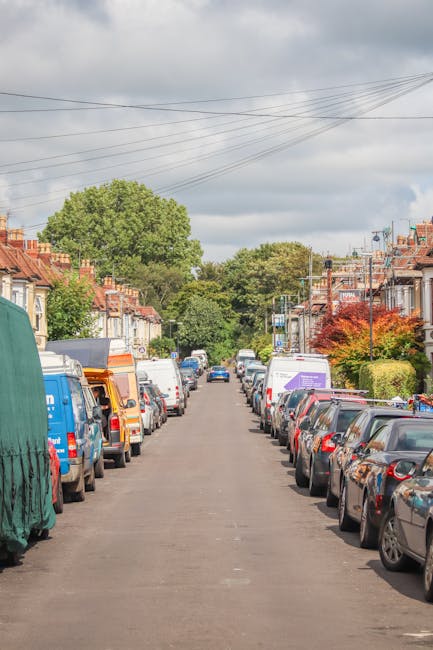
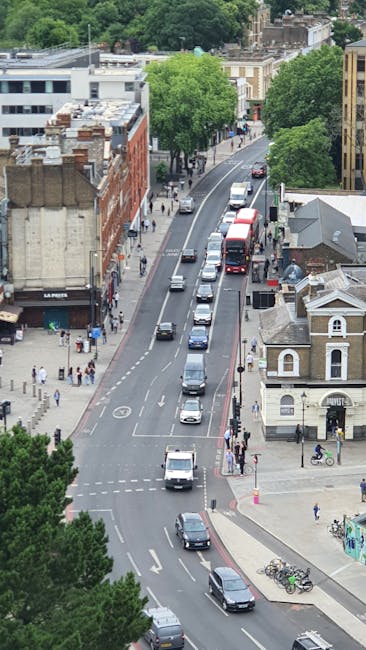
Dulwich is a district in south London closely associated with green space, village-style streets and a long educational and cultural history. The area is traditionally linked with the Dulwich Estate, which shaped much of its development and helped preserve a distinctive residential character. Dulwich Village is the best-known historic core, with a street pattern that feels quieter than many inner-London centres and with buildings that reflect different periods of growth and rebuilding. The area also includes several well-known institutions, among them Dulwich College and Dulwich Picture Gallery, the latter recognised as one of the earliest purpose-built public art galleries in Britain. Dulwich Park provides one of the most notable open spaces, while nearby Belair Park and Peckham Rye Park add to the wider green network. Rail connections through North Dulwich, West Dulwich and East Dulwich help link the area with surrounding parts of London, and the district sits within the boroughs of Southwark and Lambeth depending on the part of Dulwich being described. The local landscape combines larger roads at the edges with calmer residential streets, woodland pockets and historic lanes, giving the area a layered character that reflects both heritage and modern city life.
Planning the move and protecting fragile items

Good planning is less about overcomplicating the move and more about removing avoidable uncertainty. Boxes should be filled sensibly, heavy items kept manageable and fragile belongings given enough protection to travel safely. Our removals service can be tailored to that kind of preparation, with attention to the items most likely to need extra care. Where a move includes glass, artwork or specialist possessions, it is worth making those items easy to identify from the outset.
If you want the service to include more than transport, the packing and unpacking services page gives a sense of how that support fits into the overall move. Some customers only need help at the start; others want the unpacking phase to be less overwhelming at the destination. Either way, it is better to decide the role of the removal team in advance so the day has a clear rhythm.
It also helps to think through the basic layout of the origin property and the destination. If certain items need to be carried to upper floors or into a specific room, say so when you are discussing the move. That way, the work can be organised with fewer surprises, and the team can account for the best carrying route before loading begins.
Arrange your removal quotation
Whether you are moving a home, a flat or a business premises, a good quotation should reflect the real work involved and the level of support you want. The service pages across the site can help you compare the different options, from larger moves to lighter van-based support, but the most useful next step is usually to describe your own move clearly and ask for a quotation based on that information.
If you are still deciding between service types, the removals near me page may help you confirm the general service category, while house removalists can be useful if you want a domestic-focused option. For customers who are looking for the final step rather than more browsing, contact us to request a quotation and outline the contents, access and preferred timing.
Two brief checks make the enquiry more efficient: note the main rooms and furniture involved, and mention anything that could affect loading or parking. That is enough to start a sensible conversation without making the process feel complicated. Ask for your quotation today, and we can help you move from planning to a service that is matched to the job.