What to know about delays in Dulwich same day removals
If you are planning a move in Dulwich and need everything done today, delays can feel like the one thing you simply cannot afford. That is exactly why understanding what to know about delays in Dulwich same day removals matters so much. A same-day move is fast, practical, and often a lifesaver when keys, tenants, sellers, or work deadlines do not give you much room to breathe. But it is also tighter on timing, which means even a small hiccup can ripple through the whole day.
Truth be told, most delays are not dramatic disasters. They are usually a chain of little things: access issues, parking trouble, traffic on local roads, keys not being released on time, or a van that gets held up a bit earlier in the day. The good news? With the right preparation, most of these delays can be reduced, managed, or at least handled without the move descending into chaos. This guide walks through the common causes, what they mean in real life, and how to keep your move moving.
For readers comparing services, it can also help to look at the wider support available, from general removals in Dulwich to flexible man and van options, and even clear pricing and quotes before you commit. Sometimes the difference between a smooth day and a stressful one is just how well the job is planned.
Table of Contents
- Why delays matter in same day removals
- How delays happen and how same-day moves work
- Key benefits and practical advantages
- Who this is for and when it makes sense
- Step-by-step guidance
- Expert tips for better results
- Common mistakes to avoid
- Tools, resources and recommendations
- Law, compliance, standards, or best practice
- Options, methods, or comparison table
- Case study or real-world example
- Practical checklist
- Conclusion
- Frequently asked questions
Why What to know about delays in Dulwich same day removals Matters
When a same-day removal is delayed, the impact is bigger than people expect. It is not just about waiting around for a van. It can mean a late key handover, a missed building slot, extra time with boxes piled in the hallway, or awkward conversations with landlords, estate agents, or building managers. In Dulwich, where roads can get busy around school runs, narrow residential streets, and local shopping areas, even a small timing issue can throw off the day.
Why does this matter so much? Because same day removals are built on momentum. Once the chain starts slipping, the rest of the day often needs quick adjustments. A family might be standing outside with children, someone may be trying to coordinate cleaners, or a commercial move might be waiting on staff access. There is a real difference between a 20-minute delay and a two-hour delay. One is inconvenient. The other can force the move into evening, which is when everyone gets tired and mistakes creep in.
In our experience, people underestimate the emotional side too. Moving is already a pressure cooker. Add uncertainty and you get that awkward feeling where nobody is quite sure what comes next. A bit of planning brings calm back into the picture. Not perfect calm, let's be honest, but enough to keep things under control.
How What to know about delays in Dulwich same day removals Works
Same day removals usually work on a fairly tight sequence. The removal team arrives, loads the first property, travels to the delivery point, unloads, and ideally finishes within the same day. The whole setup depends on timing being respected at each stage. If one part slips, the rest has to shift.
Delays can appear at three main points:
- Before loading: the property is not ready, boxes are still being packed, or access is delayed.
- During transit: traffic, parking issues, or route changes slow down the van.
- On arrival: the new property is not ready, keys are delayed, or access instructions are unclear.
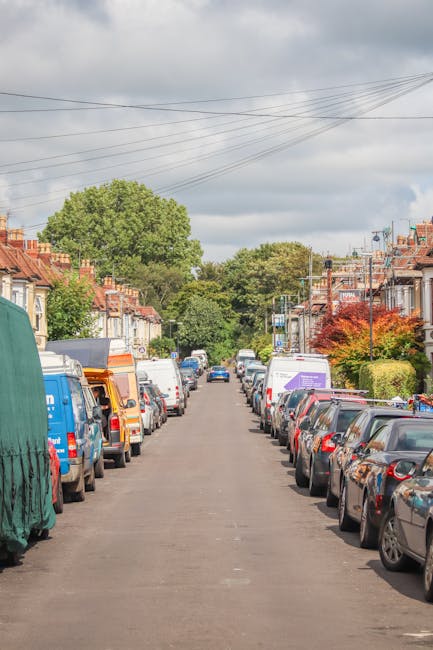
That is the basic pattern. But the detail matters. For example, a removal team may be ready to go at 8am, but if the lift in a flat block is not working or a parking space is blocked by another vehicle, the job starts late before anyone has even moved a sofa. Similarly, a house in a quiet road might look easy on paper, yet one delivery lorry or a skipped parking bay can make loading far slower than expected.
Most same-day removal companies will try to build in some buffer. That buffer may not be obvious to the customer, but it is there in the planning, the route choice, or the order of jobs. The more accurate the information you give them, the better they can protect that buffer. A wrong estimate on room contents or a surprise extra stop? That is where the wheels can wobble a bit.
Common delay triggers in Dulwich
- Waiting for keys or completion paperwork
- Limited parking close to the property
- Busy school-run traffic on local roads
- Access issues in apartments or mansion blocks
- Unexpected extra items that take longer to load
- Poor packing, which slows handling and increases risk
- Weather, especially heavy rain or icy conditions
Sometimes the issue is simple: a moving van that can't pull up close enough to the door. Other times it is more annoying, like discovering that the lift has a service fault at the worst possible moment. Happens all the time, or at least often enough to plan for it.
Key Benefits and Practical Advantages
It might sound strange to talk about benefits when the subject is delays, but understanding the risk actually gives you more control. Once you know where delays usually come from, you can choose the right type of service and set realistic expectations. That alone can save a huge amount of stress.
- Better timing: you can plan around key collection, completion, or building access.
- Less disruption: you are less likely to leave items scattered for hours between properties.
- Lower stress: fewer surprises means less decision-making under pressure.
- Improved safety: rushed lifting and carrying is where accidents often happen.
- More accurate budgeting: delays can cause knock-on costs if the job runs long.
There is also a practical advantage that people overlook: communication improves. When a customer knows a same-day move is time-sensitive, they tend to be clearer about what is moving, when access is available, and which items need to go first. That helps everyone. The move feels a bit more like a coordinated project and less like panic with boxes.
If you are comparing service types, a smaller, flexible option like man with van removals may suit short-notice jobs, while a larger planned move may be better served by broader home moving support. The right choice depends on volume, access, and how fixed your timings are.
Who This Is For and When It Makes Sense
Same day removals are not for every move. But they are a very good fit in certain situations, especially when timing is the main pressure point.
You may need this type of service if:
- you have a completion and handover on the same day
- you are moving out of rented accommodation before a deadline
- you need to clear a property quickly after a last-minute change
- you are relocating a small flat, studio, or office in one go
- you need urgent transport for furniture or household goods
It can also make sense for business owners who cannot leave a workspace half-cleared overnight. In that case, delays are not just inconvenient; they may affect staff access, client meetings, or reopening plans. A smaller office relocation often benefits from clear time windows and straightforward loading access. If that sounds familiar, a service such as office removals or commercial moves may be more relevant than a generic domestic service.
One thing to be honest about: if your move involves a lot of heavy furniture, limited parking, or a large property, same-day removals can still work, but only if the logistics are tight. A rushed estimate is usually where people get caught out. Better to be a little over-prepared than to discover at 3pm that the wardrobe was forgotten. Nobody enjoys that moment.
Step-by-Step Guidance
Here is a practical way to reduce delays and stay on top of a same-day move in Dulwich. The goal is not perfection. The goal is control.
- Confirm your move window early. Check when keys will be released, when access starts, and whether there are any building restrictions.
- List everything that is going. Include awkward items like mirrors, bikes, garden tools, or boxed electronics. These often take longer than expected.
- Measure access points. Doorways, stair turns, lifts, and parking distance all matter. A large sofa can turn a quick job into a careful one.
- Pack in advance. If packing is still going on when the van arrives, the whole schedule becomes shaky.
- Label rooms clearly. This saves time at unloading and reduces the chance of boxes being put in the wrong place.
- Sort parking and permits. If the van cannot stop nearby, loading takes longer. Very simple, but often missed.
- Keep essential items separate. Put documents, chargers, snacks, keys, and any valuables in one bag.
- Build a small time buffer. If you think the job will take four hours, plan as if it may take five.
A useful mental model is to treat the move like a relay race, not a sprint. Everyone needs to hand over cleanly. If one person is still finishing a task while the van is waiting outside, the timeline slips. It is that straightforward, even if it never feels straightforward on the day.
A quick timing example
Say your keys are available at noon. If loading takes longer than planned because the property is still being packed at 11:30, you may not be on the road until early afternoon. Add traffic, and the unloading window shrinks. Suddenly, what should have been a neat same-day job becomes a late finish. That is why the most successful moves tend to have the unglamorous stuff done early. Boxes labelled, bags ready, access confirmed. A bit boring, yes. Also very effective.
Expert Tips for Better Results
There are a few habits that consistently make same-day removals easier. None of them are flashy, but they work.
- Be exact about volume. If you are unsure whether something counts as one load or two, ask. Underestimating volume is a classic delay trigger.
- Give honest access details. If there are stairs, narrow lanes, or no lift, say so early.
- Separate fragile or awkward items. Items that need careful handling slow the process, so it helps to flag them.
- Keep one room as a staging area. This keeps the rest of the property from becoming a maze of half-packed boxes.
- Have a backup number and email handy. When timing is tight, a missed call can cost more than you think.
One small but effective tip is to prepare the property the evening before, even if only partly. If you can do that, next-day chaos becomes less likely. You will notice the difference first thing in the morning: fewer loose items, less bending over, fewer "Where did we put the tape?" moments. Those moments, frankly, can eat time like nobody's business.
It also helps to walk the route from the property to the van with fresh eyes. Is there a parked car likely to block access? Is the hallway narrow? Is the lift reliable? You do not need to solve everything yourself, but you do need to see the day as it will actually unfold, not as you hope it will.
Common Mistakes to Avoid
Most delay problems come from a handful of predictable mistakes. Good news is, they are avoidable if you know what to look for.
- Leaving packing until the removal crew arrives. This is one of the fastest ways to lose time.
- Forgetting about parking restrictions. In a place like Dulwich, that can mean the van ends up further away than planned.
- Not checking building access rules. Some flats and managed buildings have specific move-in windows.
- Overloading boxes. Heavy, awkward boxes slow everything down and can create safety issues.
- Failing to mention extra items. A last-minute wardrobe or exercise bike can throw off timing.
- Assuming keys will definitely be ready. They often are. Sometimes they are not. And that changes everything.
Another mistake is trying to rush the loading team without actually helping the process. People mean well, of course, but a move goes better when the focus is on clear access rather than shouting instructions from three rooms away. Keep calm. Keep it tidy. Small things help more than dramatic heroics.
Tools, Resources and Recommendations
You do not need fancy tools to manage a delay-prone move. You need the right basics and a sensible system.
- Strong marker pens for labelling boxes clearly
- Parcel tape and spare tape because one roll never seems enough
- Reusable bags or clear document folders for essentials
- Blankets and covers for furniture protection
- A charger or power bank so your phone does not die just when you need it
- A printed checklist in case mobile signal or battery becomes an issue
For people needing packing support, packing and unpacking services can save a surprising amount of time. For bulkier individual items, a service such as furniture pick up may be a better fit than hiring a full move. That can be especially useful if the delay risk comes from a small but awkward job rather than a full household relocation.
If you are trying to keep costs under control, review pricing and quotes carefully and make sure the quote reflects access, item count, and timing. A cheap estimate can become expensive if the job runs long. Not always, but often enough to matter.
Law, Compliance, Standards, or Best Practice
For a removal service, the legal and practical side of moving is mostly about safety, fair trading, insurance, and honest communication. While every move is different, it is sensible to expect a company to handle goods carefully, explain what is included, and provide clear terms about timing, liability, and payment.
If a move is delayed, the best practice is simple: communicate early, document changes where needed, and avoid making assumptions about what is covered. For example, if access is blocked or the customer is not ready when agreed, the job may need to be rescheduled or extended. Likewise, if the mover causes delay by arriving late or underestimating the job, that should be discussed openly and professionally.
It is also worth checking whether a company has visible policies on insurance and safety, along with clear terms and conditions. That does not mean you need to read every line like a solicitor on a caffeine drip. But you should know how timing, damage, access, and cancellations are handled.
For everyday best practice, look for these signs:
- clear confirmation of moving time and address details
- realistic discussion of access and parking
- safe handling of heavy items
- reasonable communication if timings change
- transparency about what happens if the job overruns
There is also an ethical side to this. A move should not be sold with unrealistic promises. If the schedule looks tight, it should be described as tight. That honesty is worth more than a polished sales pitch. Every time.
Options, Methods, or Comparison Table
Different move types carry different delay risks. Choosing the right method can make a big difference, especially in a local area where access and timing matter as much as distance.
| Option | Best for | Delay risk | Notes |
|---|---|---|---|
| Man and van | Small to medium moves, urgent jobs, flexible timing | Lower for simple jobs, higher if volume is underestimated | Good when you need speed and adaptability |
| Full home removals | Larger household moves, more furniture, more coordination | Moderate | Better planning usually means fewer surprises |
| Office removals | Business relocations and time-critical clearances | Moderate to high | Access, IT equipment, and handover timing need close control |
| Furniture-only collection | Single items or a few bulky pieces | Low to moderate | Usually quicker, but access still matters |
In practice, the right choice depends less on the label and more on the job profile. A small flat with awkward parking may be trickier than a larger house with easy drive-up access. That is the bit people miss. The move size matters, sure. But access can matter just as much.
Case Study or Real-World Example
Consider a typical Dulwich same-day move from a two-bedroom flat to a terraced house a short drive away. The customer has completion in the morning and hopes to be fully unloaded by late afternoon. On paper, it is manageable.
Then the day starts. Keys are ready, but the hallway outside the flat is busier than expected. One neighbour has parked in a place that blocks the loading path. A large wardrobe needs careful turning on the stair landing. The van still gets loaded, but not as quickly as planned. Nothing has gone wrong exactly, yet the timeline is already tighter.
At the new property, the delivery is smooth until the customer realises one box of essentials is still in the car parked two streets away. A tiny thing, but it costs another 15 minutes. By this stage, fatigue is setting in. The move still finishes the same day, but only because packing was mostly done beforehand and the team kept communicating clearly throughout.
The lesson here is not "always expect disaster." It is the opposite. Most delays are manageable if the basics are right. Clear keys. Clear access. Clear packing. The boring stuff matters. A lot.
Practical Checklist
Use this checklist the day before and again on the morning of the move. It is simple, but it helps.
- Confirm both addresses and exact access instructions
- Check key collection time and any completion delays
- Reserve parking or confirm stopping space where possible
- Pack and label the majority of boxes in advance
- Set aside essentials, documents, and valuables
- Disassemble items if needed and keep fittings in labelled bags
- Photograph fragile items and existing marks if that feels sensible
- Keep phones charged and contact details ready
- Let neighbours or building managers know if required
- Build in extra time for traffic or access issues
Expert summary: the best way to handle delays in Dulwich same day removals is to remove avoidable friction before the van arrives. If access is clear, packing is ready, and communication is tight, the day usually stays on track much better than people expect.
Conclusion
What to know about delays in Dulwich same day removals comes down to this: delays are normal enough to plan for, but they do not have to ruin the day. Most problems come from access, timing, packing, or incomplete information. The more precise your plan, the easier it is to absorb a setback without panic.
If you are moving today, focus on the controllable parts first. Confirm keys. Clear access. Pack early. Tell the removal team about anything awkward. That simple discipline can turn a stressful same-day move into something surprisingly manageable. Not effortless. Just manageable. And sometimes that is exactly what you need.
If you are comparing options or want to understand which service fits your situation best, it helps to explore the wider range of support available, from removal services to man with van removal options, and then choose the one that matches your timing and access needs.
Get a free quote today and see how much you can save.
In the end, a good move is not about luck. It is about being ready enough to meet the day as it is, not as you hoped it would be.
Frequently Asked Questions
What usually causes delays in same day removals in Dulwich?
The most common causes are access problems, parking issues, late key release, traffic, and underestimating how much needs moving. Flat blocks and narrow residential streets can make timing tighter than expected.
How much buffer time should I allow for a same-day move?
A sensible approach is to add a buffer of at least an hour, and more if access is tricky or the move involves a lot of furniture. The point is not to make the day longer than it needs to be, just to leave room for the unexpected.
Can a same-day removal still work if completion is delayed?
Sometimes, yes, but it depends on how late the delay is and whether the removal team can wait or reschedule within the same day. Clear communication is essential because a short delay can quickly become a wider timing problem.
Do parking restrictions really make that much difference?
Yes, they can. If the van cannot park close to the property, loading and unloading take longer, and handling heavier items becomes more difficult. In busy parts of Dulwich, parking is often one of the biggest hidden delay factors.
Is a man and van service better for urgent moves?
It often is for smaller or more flexible jobs. A man and van setup can be easier to arrange at short notice and may handle delays more nimbly than a larger operation, though it still depends on the size and complexity of the move.
What should I tell the removals team before moving day?
Give them accurate details about access, stairs, lifts, parking, item count, fragile pieces, and any delays in key release. The more honest and specific you are, the easier it is for them to plan properly.
Are delays more likely with flats than houses?
Often, yes. Flats can involve lifts, stairwells, managed building rules, and tighter parking, all of which can slow things down. That said, a house with poor road access can also be awkward, so it is not just about property type.
What if I have not finished packing by the time the van arrives?
That usually creates avoidable delays and can push the whole schedule back. If possible, finish packing the night before or at least have most rooms ready so the crew can start without waiting around.
How do I know if a quote is realistic?
A realistic quote should reflect the volume of items, access conditions, travel distance, and timing pressure. If a quote seems unusually low, it may not be accounting for delays, extra labour, or difficult access.
Should I choose a full removals team or a smaller service for a same-day move?
It depends on the scale of the move. Smaller loads and urgent jobs often suit a flexible vehicle-based service, while larger homes or more complex moves usually need fuller support. The key is matching the service to the actual job, not just the label.
Can delays increase the cost of my move?
They can, especially if the job takes longer than planned or requires extra waiting time. That is why it helps to clarify timing, access, and the scope of the move before the day begins.
What is the best way to stay calm if everything starts running late?
Keep decisions simple, keep people informed, and focus on the next step rather than the whole day at once. A small delay feels less overwhelming when you turn it into one practical action at a time. Honestly, that's often the difference between panic and progress.